
Industries like oil & gas, chemical, food processing, pharmaceuticals and manufacturing rely on the safe and efficient transportation of bulk gases, chemicals, and liquids. Global supply chains are growing larger and larger, and businesses need dependable solutions to guarantee product safety, compliance, and cost-efficient supply chain operations.
The ISO tank is widely used in bulk transportation. Internationally-standard designed, ISO tanks offer a secure, sturdy and economical way to carry a variety of products in road, rail and sea transport.
Let’s dive into what ISO tanks are, their functionality, essential characteristics, applications, advantages, and why ISO tanks are indispensable for businesses globally in the transportation of bulk gases and liquids.
What Is an ISO Tank?
An ISO tank, also known as an ISO tank container, is a special type of container for transportation and storage of bulk substances in liquid, gas and chemical form. The ISO term is the International Organization for Standardization, which sets the standards for the size, shape, and safety specifications of these containers throughout the world.
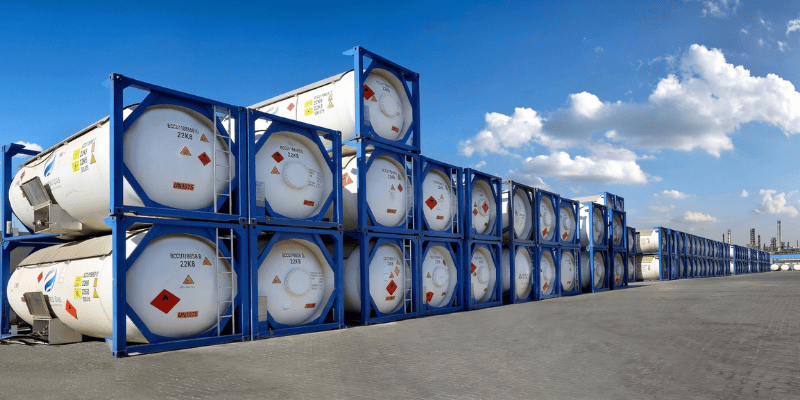
An ISO tank is a pressure vessel made of stainless steel, placed in a steel structure that provides protection. The frame is designed to conform to the typical shipping container dimensions so that the tank can be safely moved by truck, train and ship all over the world.
The tanks are generally used for the transport of:
- Industrial gases
- Cryogenic gases
- Chemicals
- Food-grade liquids
- Hazardous materials
- Pharmaceutical products
ISO tanks are also suitable for global transportation, meeting international industry standards, making them a versatile and efficient logistics solution for international supply chains.
How Does an ISO Tank Container Work?
ISO tanks are designed to safely transport bulk materials without contaminating them, leaking and exposing them to the environment.
A typical tank vessel is usually made of high-quality stainless steel and is fitted with safety systems like
- Pressure relief valves
- Emergency shut-off systems
- Temperature control mechanisms
- Protective insulation
- Corrosion-resistant coatings
Depending on the product being transported, the tank may also have special features, such as for the transport of cryogenic gases, hazardous chemicals, or temperature-sensitive products.
The standardized frame allows easy loading, stacking and handling using standard container equipment, making the process easier to transport and making the operations more efficient.
Key Components of an ISO Tank
Understanding the structure of an ISO tank helps explain why it is one of the safest transportation solutions available.
Stainless Steel Tank Vessel
The inner tank is typically made from high-quality stainless steel, providing:
- Corrosion resistance
- Long service life
- Product purity protection
- Compatibility with various gases and liquids
Protective Steel Frame
The outer frame protects the tank from impact and damage during transportation while maintaining compatibility with standard container handling systems.
Safety Valves
Pressure relief valves help regulate internal pressure and prevent over-pressurization during storage and transport.
Insulation Systems
Many ISO tanks include insulation to maintain stable temperatures, especially when transporting temperature-sensitive or cryogenic products.
Loading and Discharge Equipment
Specialized fittings and valves enable safe loading, unloading, and transfer of products while minimizing operational risks.
Types of ISO Tanks
Different industries require different tank configurations based on the products being transported.
Standard ISO Tanks
Standard ISO tanks are commonly used for transporting non-cryogenic liquids and chemicals. They typically offer capacities ranging between 20,000 and 25,000 liters.
Applications include:
- Industrial chemicals
- Liquid raw materials
- Food-grade liquids
40ft ISO Tanks
For larger-volume transportation requirements, 40ft ISO tanks provide increased storage capacity and improved logistics efficiency.
Applications include:
- Bulk liquid transport
- Large-scale industrial operations
- Long-distance logistics
Cryogenic ISO Tanks
Cryogenic ISO tanks are specifically designed for transporting gases at extremely low temperatures.
Common cryogenic products include:
- Liquid nitrogen
- Liquid oxygen
- Liquid argon
- Liquid helium
These tanks incorporate advanced insulation systems to maintain cryogenic temperatures throughout transportation.
Specialty ISO Tanks
Specialized tanks are designed for unique operational requirements, including:
- Hazardous chemicals
- High-pressure gases
- Temperature-sensitive materials
- Offshore applications
Common ISO Tank Capacities
The capacity of an ISO tank varies based on its design and intended use.
Typical capacities include:
Tank Type | Capacity |
Standard 20ft ISO Tank | 20,000 – 25,000 Liters |
40ft ISO Tank | Up to 40,000 Liters |
The right tank size depends on factors such as product volume, transportation routes, regulatory requirements, and operational objectives.
Industries That Use ISO Tanks
In the world of transporting bulk materials, ISO tanks are critical for various industries that demand safe and efficient transportation.
Chemical Industry
Chemical manufacturers use ISO tanks to transport hazardous and non-hazardous chemicals that comply with international safety standards.
Benefits include:
- Secure transportation
- Reduced contamination risks
- Regulatory compliance
- Oil and Gas Industry
Oil and Gas Industry
The oil and gas sector uses ISO tanks for transporting industrial gases and specialty products under controlled conditions.
Applications include:
- Gas distribution
- Offshore operations
- Industrial processing
Food and Beverage Industry
For transporting liquid food products safely and without compromising food quality, food-grade ISO tanks are used for hygienic transportation.
Common products include:
- Edible oils
- Beverage ingredients
- Liquid food additives
- Pharmaceutical Industry
Pharmaceutical Industry
Specialized ISO tanks are designed for transporting temperature-sensitive products that need strict environmental control, such as pharmaceuticals.
Benefits include:
- Product protection
- Temperature management
- Regulatory compliance
Advantages of Using ISO Tanks
Enhanced Safety
To minimize risks that may occur while storing and transporting ISO tanks, they are designed with multiple safety features.
It contains the following safety features:
- Pressure relief systems
- Corrosion-resistant construction
- Secure valve systems
- International certification standards
Cost Efficiency
Compared with the conventional transporting ways, ISO tanks can lower the logistics cost by means:
- Higher carrying capacity
- Reduced product loss
- Improved transportation efficiency
Environmental Benefits
Because of the reusable design, ISO tanks can contribute to reducing packaging waste and sustaining transportation practices.
Product Integrity
Enclosed stainless steel components help to prevent product contamination and exposure to the environment during the supply chain.
Global Compatibility
Since ISO tanks meet international container requirements, they can be easily moved on and off roads, rails, and ships around the world.
ISO Tank Safety and Compliance Standards
Safety and compliance are fundamental aspects of ISO tank operations.
Quality ISO tanks typically comply with recognized international standards, including:
- ISO 9001
- ISO 14001
- ASME Compliance
- International transportation regulations
Regular inspections, maintenance programs, and testing procedures help ensure continued operational safety and reliability.
Businesses should always verify that their ISO tank provider follows stringent quality assurance and certification requirements.
ISO Tank Leasing vs Purchasing
Organisations can choose between leasing and purchasing ISO tanks based on their operational needs.
Leasing Benefits
ISO tank leasing is often preferred when businesses need flexibility.
Advantages include:
- Lower upfront investment
- Flexible contract terms
- Maintenance support
- Scalability for changing requirements
Purchasing Benefits
Buying an ISO tank may be suitable for companies with long-term transportation needs.
Advantages include:
- Full ownership
- Long-term cost savings
- Equipment customization
- Asset value retention
The best option depends on operational goals, budget considerations, and transportation volumes.
Why Choose Brothers Gas for ISO Tanks?
With its commitment to providing top-tier ISO tanks, Brothers Gas is a reliable supply chain partner for industrial gas and logistics solutions that cater to the rigorous needs of today’s industries.
Brothers Gas provides the following:
- ISO tanks for lease and sale
- Standard and specialized tank solutions
- High-grade stainless steel construction
- International safety compliance
- Maintenance and technical support
- Flexible leasing options
- Global delivery capabilities
Brothers Gas provides safe, efficient, and reliable bulk transportation for industries, globally, across the Middle East, Africa, Asia and beyond.
Conclusion
ISO tanks have become the preferred solution for transporting bulk gases, liquids, and chemicals safely and efficiently across global supply chains. Their standardised design, durability, safety features, and versatility make them an essential asset for industries ranging from chemicals and oil & gas to food processing and pharmaceuticals.
In today’s landscape, where businesses often need to find flexible storage solutions for their unique needs, selecting the right ISO tank provider is essential for ensuring operational continuity and compliance.
Brothers Gas offers a comprehensive range of ISO tanks for lease and sale, helping businesses transport bulk products safely, efficiently, and in accordance with international standards. Read the Brothers Gas ISO Tanks services page to learn more about the available ISO tank solutions and reach out to the team to get some expert guidance.